


Share This Article:
Back to Claims School
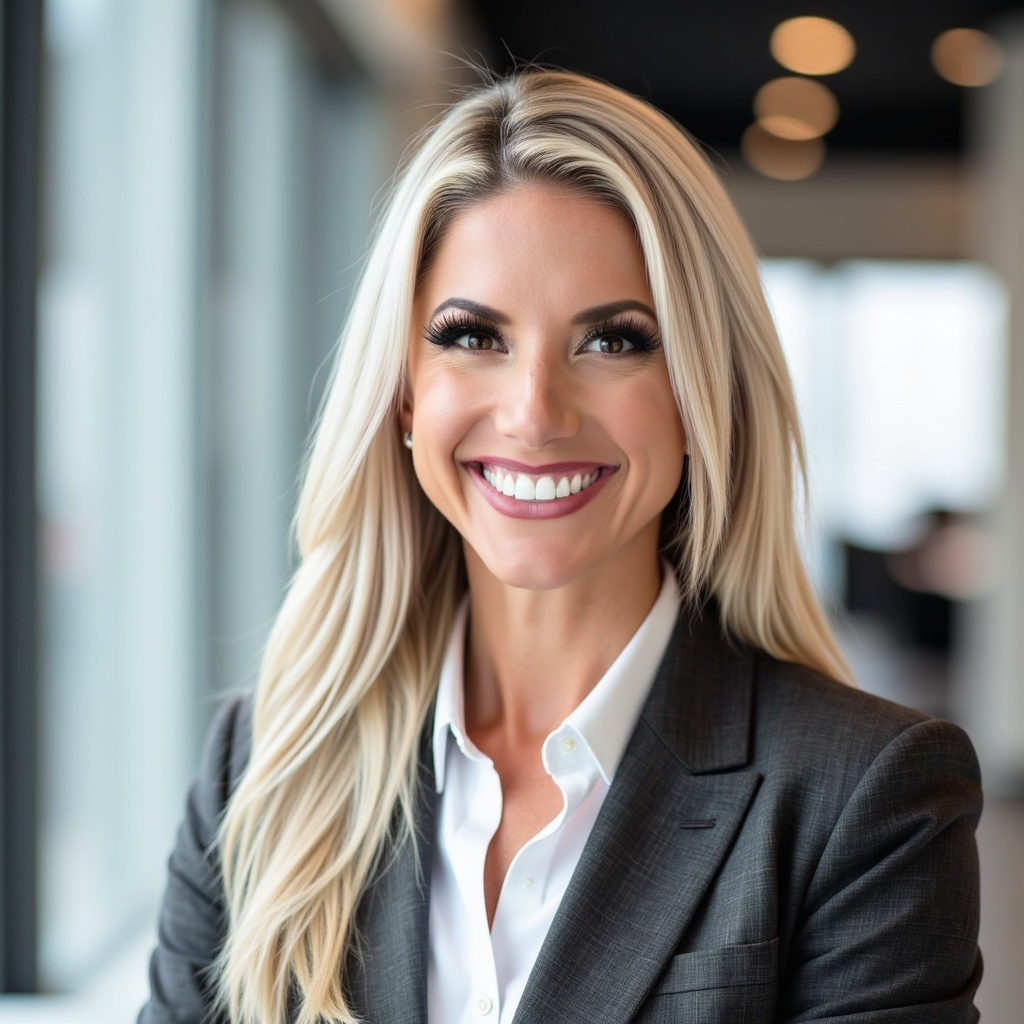
Dr. Claire Muselman brings workers’ compensation, behavioral science, leadership, and education into the same conversation because claims outcomes are shaped by all four. She serves as Chief Operating Officer of WorkersCompensation.com and is a Professor of Practice at Drake University, where her work focuses on leadership, organizational behavior, communication, and strategy. Across more than two decades in workers’ compensation, Claire has worked with employers, carriers, captives, claims professionals, and industry leaders to improve the systems that influence reporting, recovery, return to work, and the injured-worker experience. Her work consistently asks one question: how can the industry create better outcomes by understanding both the process and the people moving through it?
Claire serves as Co-Dean of the CLM Claims College School of Workers’ Compensation and brings a distinctly human-centered perspective to the role. She studies how stress, communication, cognitive overload, organizational behavior, leadership decisions, and workplace culture influence what happens after an injury. Her approach connects technical claims knowledge with the behavioral realities that determine whether a process works in practice. She also believes education should give professionals something they can use when they return to work, which means theory must eventually become action.
Her work has helped employers reduce claim-reporting lag time and strengthen return-to-work programs across large groups of organizations. The measurable outcomes matter because they demonstrate what becomes possible when people, process, communication, and accountability are aligned. Claire brings those lessons into Claims College with the energy of a practitioner and the curiosity of a professor. She wants students to understand the system deeply enough to question it thoughtfully and improve it intentionally.
What perspective do you bring to the School of Workers’ Compensation?
I bring a behavioral-science and human-centered perspective to claims.
Workers’ compensation professionals already operate inside systems filled with statutes, medical information, financial expectations, procedures, and deadlines. My work focuses heavily on what happens when human beings enter those systems. Stress changes how people process information. Uncertainty changes behavior. Communication influences trust, participation, and decision-making.
I want claims professionals to understand those dynamics because technical expertise becomes more powerful when you understand the person receiving the information.
Why does that perspective matter for today’s claims professionals?
Claims professionals make decisions that affect people during vulnerable and uncertain moments.
The quality of the decision matters and so does the experience surrounding it. Someone can receive the correct answer and still leave the interaction confused, frustrated, or unsure about what happens next. Strong claims professionals understand how to create clarity while maintaining accountability and moving the claim forward.
Humanity and rigor belong together in workers’ compensation.
What is one missed opportunity you regularly see within the industry?
We wait too long to communicate.
A claim may technically be moving while the injured worker or employer has no idea what is happening. Silence creates space for assumptions, anxiety, and frustration. A clear explanation about what is happening now and what will happen next can change the entire experience.
Communication is one of the most accessible tools we have and we still underuse it.
What has your professional experience taught you that a textbook never could?
People remember how the process made them feel.
They remember whether someone called them back. They remember whether they understood what was happening. They remember the supervisor who stayed connected and the claims professional who explained something in language that made sense.
Those moments influence trust, behavior, and willingness to participate in recovery. They may never appear as a line item on a claim report and they still matter tremendously.
And. These elements wildly impact business strategy around claims management, workers’ compensation, and the bottom dollar. Funny how that works.
What do you hope students gain from learning with you at Claims College?
I want students to become more curious.
I want them to ask better questions about why a claim is moving in a particular direction, why a process exists, and whether the current approach is producing the outcome everyone says they want. I want them to look at data and still remember the person represented by the number.
Most of all, I want them to leave believing they have influence over the quality of the workers’ compensation experience.
Complete this sentence: “Excellent claims professionals understand that…”
Every decision in a claim creates an experience for someone.
The greatest claim professionals understand the technical requirements and recognize the human consequences attached to the work. Each time you pick up the phone or render a decision, you have the single ability to change the trajectory of someone’s life. Pretty big impact one can have in this space.
What advice would you give someone building a career in workers’ compensation?
Stay curious and learn everything you can from people who know something you do not.
Learn the law. Learn medicine. Learn how organizations operate. Learn how people behave under stress and how communication changes when someone feels uncertain or afraid.
Workers’ compensation will continue teaching you for as long as you are willing to pay attention.
What might Claims College students be surprised to learn about you?
I genuinely love the science behind why people behave the way they do.
Give me neuroscience, psychology, physiology, organizational behavior, and a complicated workers’ compensation problem and I am completely entertained. I want to understand the “why” behind what we see because understanding the mechanism gives us a better chance of changing the outcome.
And yes, I will probably find a way to make learning about it fun.
Oh sorry, I also love dinosaurs and am obsessed with airplanes. I think that’s what we were going for in answering this question. Whoops. ☺
Ready to Head Back to Claims School?
The strongest claims professionals never stop learning. Join the workers’ compensation community in Baltimore from September 9–11, 2026, for the CLM Claims College and three days of practical education, meaningful discussion, and professional connection. The School of Workers’ Compensation gives students the opportunity to strengthen technical knowledge, sharpen professional judgment, and learn directly from experienced industry leaders. Each class is designed to help professionals return to their organizations with greater confidence and new ideas they can apply to their work. Explore the School of Workers’ Compensation and reserve your seat at Claims College today.
The CLM Claims College School of Workers’ Compensation is powered by Paradigm. WorkersCompensation.com proudly sponsors the School’s study halls.


AI best practices california case file caselaw case management case management focus claims compensability compliance compliance corner courts do you know the rule employers exclusive remedy florida fraud glossary check Healthcare hr homeroom insurance insurers iowa kentucky leadership NCCI new jersey new york ohio pennsylvania Safety safety at work state info tech technology the case manager violence WDYT what do you think women's history women's history month workers' comp 101 workers' recovery Workplace Safety Workplace Violence
Read Also
About The Author
About The Author
- WorkersCompensation.com
More by This Author
- Oct 07, 2026
- WorkersCompensation.com
- Oct 06, 2026
- WorkersCompensation.com
Read More
- Oct 08, 2026
- Claire Muselman
- Oct 08, 2026
- Frank Ferreri
- Oct 08, 2026
- Claire Muselman
- Oct 07, 2026
- Frank Ferreri
- Oct 06, 2026
- Claire Muselman
- Oct 06, 2026
- Chriss Swaney