


Share This Article:
The Case Manager
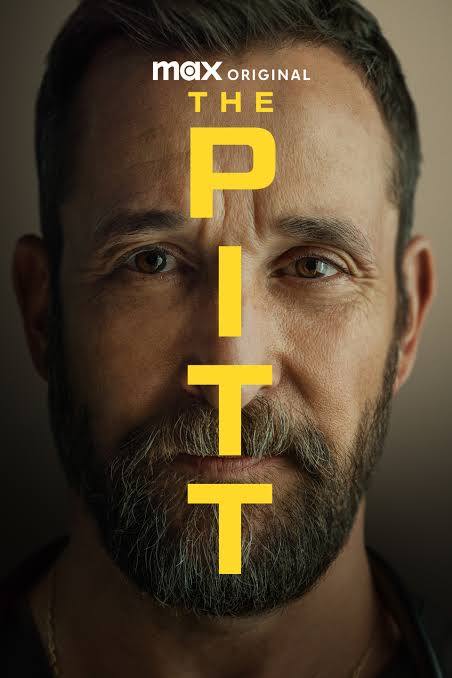
I just finished watching season 2 of The Pitt. If you have been watching it, I know you are trying to take in all the issues that were presented and what was left hanging for season 3. If you did not see it, you can stream season one and season 2 on HBO/Max.
The Pitt is a medical drama built around the intense, real-time pressures of an emergency department in a major urban hospital based in Pittsburgh PA.
The basic premise is straightforward but executed with a lot of urgency: each season follows a single, continuous shift in the ER—often over the course of one long, chaotic day from 7 a.m.-7 p.m. Instead of jumping around in time like most hospital shows, it sticks closely to the clock, showing patients arriving, crises unfolding, and doctors and nurses juggling multiple life-or-death cases all at once. In case your wondering – most of the staff never got out at 7 p.m. Episode 15 (the last episode of season 2) turned into a 14-hour shift where most let well after 7 p.m. to get all the work done!
At its core, the show focuses on:
- The overwhelming patient load and understaffing in modern emergency medicine.
- The split-second decisions doctors must make under pressure.
- The emotional toll on healthcare workers dealing with trauma, loss, and ethical dilemmas.
- Interpersonal dynamics among staff who are stuck together for long, high stress shifts.
If you were an ED nurse, worked in ICU or another high stress area of healthcare like case management, you will be able to see so many messages the show taught and that we all can use.
In the mid-1970s to 2006 I worked in three emergency departments. One was in a blue-collar area of Philadelphia with a colorful community we saw often in ED. I also worked in a city trauma center in Philadelphia (a teaching hospital like The PITT) and the other was a suburban hospital in Fort Lauderdale, FL. Both were quite different except for the ‘people’ the patients and the families who we saw. As they say…. people are people. I loved working in the ED. You never know what was going to come through the door and you were always ‘on.’
Emergency medicine is often described as controlled chaos where urgency, uncertainty, and human vulnerability intersect every minute of every shift. Shows like The Pitt, especially in its second season, capture that intensity well. What they only begin to touch on, however, is the quieter, deeply human work that happens behind the scenes: how the people inside that “pressure cooker” take care of themselves.
For physicians, nurses, social workers, unit secretaries, techs, and countless others, self-care is not a luxury, it is a survival skill. In the Emergency Department, the emotional load accumulates quickly: trauma cases, loss, difficult conversations, overcrowding, and the relentless pace. Without intentional ways to process that stress, it lingers.
Some of that care happens in small, almost invisible moments. A quick debrief after a difficult case. A shared glance between colleagues that says, “that was hard.” Humor that is often dark, sometimes misunderstood—becomes a pressure valve. These micro-connections remind staff that they are not carrying the weight alone. I am sure you can add many more from your practice.
There are also more structured supports. Many departments encourage peer support programs, access to counseling, and critical incident stress debriefings. Social workers and chaplains often extend their care not just to patients and families, but to staff as well. Increasingly, there is recognition that resilience is not just an individual responsibility, it is a system responsibility. In the EDs where I worked, I do not recall these things being in place. Like The Pitt…we just went on….which can be what causes us to break.
Outside the hospital, boundaries matter. Stepping away from the identity of “provider” is essential but not always easy. Some turn to exercise, others to creative outlets, family time, or simply quiet. The goal is not to erase the stress of the work—that is impossible—but to create space where it does not define the whole person.
What The Pitt gets right is the intensity of the environment. What it hints at, and what deserves more attention, is the resilience of the people within it. The work that happens in an ED needs to be protected, and shared. In emergency medicine, taking care of others is the job. Taking care of ourselves is how we keep showing up to do it!
If you watched The Pitt, what did you walkway with after two seasons? How did you feel? Did it hit home? How do you take care of yourself?
I would love to continue the conversation and follow this post with some self-help tips we can all use to take care of ourselves. Email me at anne@nursesadvocates.com
Have a good week!


AI best practices california case file caselaw case management case management focus claims compensability compliance compliance corner courts do you know the rule employers exclusive remedy florida fraud glossary check Healthcare hr homeroom insurance insurers iowa kentucky leadership NCCI new jersey new york ohio pennsylvania Safety safety at work state info tech technology the case manager violence WDYT what do you think women's history women's history month workers' comp 101 workers' recovery Workplace Safety Workplace Violence
Read Also
About The Author
About The Author
-
Anne Llewellyn
Anne Llewellyn is a registered nurse with over forty years of experience in critical care, risk management, case management, patient advocacy, healthcare publications and training and development. Anne has been a leader in the area of Patient Advocacy since 2010. She was a Founding member of the Patient Advocate Certification Board and is currently serving on the National Association of Health Care Advocacy. Anne writes a weekly Blog, Nurse Advocate to share stories and events that will educate and empower people be better prepared when they enter the healthcare system.
More by This Author
Read More
- Oct 12, 2026
- Claire Muselman
- Oct 11, 2026
- Frank Ferreri
- Oct 11, 2026
- Anne Llewellyn
- Oct 10, 2026
- Claire Muselman
- Oct 10, 2026
- Frank Ferreri
- Oct 10, 2026
- Claire Muselman