


Share This Article:
Conference Insights
Attorneys like to win, and when a case doesn't go their way, they want to fight for "the dub," but sometimes the best strategy -- and what's best for workers' comp -- is to "take the L" and not take it to heart.
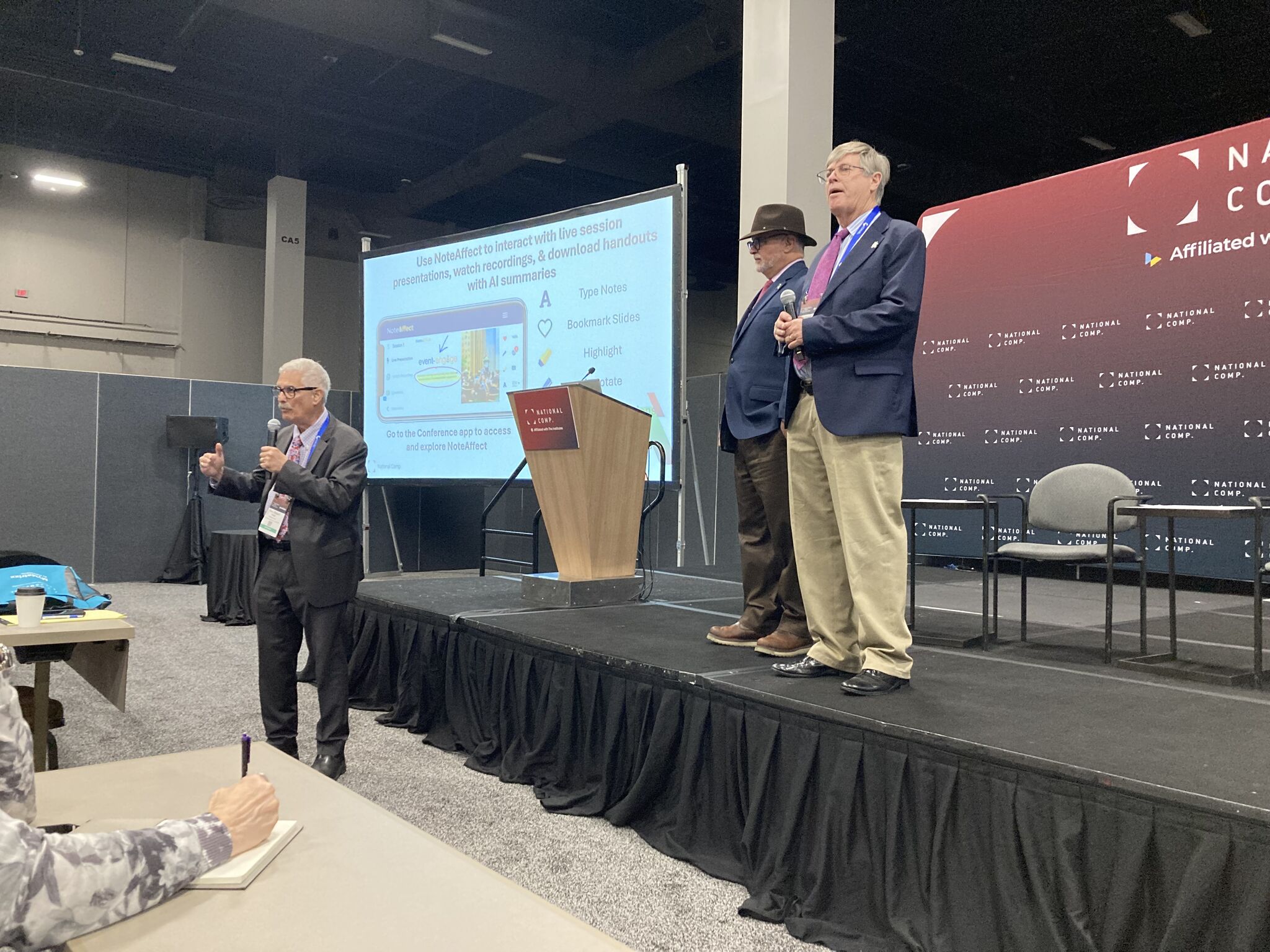
"It ain't personal," California State Compensation Insurance Fund Board Member Bill Zachry told a National Comp audience. "The very first thing is it's not personal, so you have to gather the correct claims, gather all the information necessary to create a good record."
Alongside Stuart Colburn of Downs & Stanford and California Judge Robert Rassp, Zachry advised that emotions and good caselaw rarely go hand in hand.
"You can't have someone angry and make good caselaw," Zachry advised.
Colburn agreed and noted that when an attorney pours time and energy in a case, a loss at the trial level might just fan the flames to keep going, no matter what.
"The problem is the investment you make in the case," Colburn said. "When it's personal, you're probably going to make a mistake."
Zachry provided the example of a case where a retail store employee was shot by a racist, and the employer controverted the claim, arguing that the shooting did not arise out of employment or happen in the course of employment.
"That was technically correct, but absolutely the wrong thing to do," Zachry said. "And for the next five years, the state legislature tried to pass laws to keep that result from happening again."
Good Law comes from Good Facts
Rassp noted that attorneys can help make good caselaw by putting in the work before coming into the courthouse.
"All of us judges want to do what is right, but we can only work with the evidence, so I always encourage vigorous discovery," Rassp said. "In order to do what's right, appellate courts expect trial courts to develop a record that's bulletproof all the way up."
Rassp also advised that taking the time and showing the discipline it takes to present the court also works to polish an attorney's image.
"You're nobody except your reputation," Rassp said.
Involve the Team, Beat Bias
To keep from getting too personally involved in a case and potentially unintentionally making bad law, Colburn advised taking a "committee approach."
"It's someone who can look at an idea with fresh eyes," Colburn said. "It's someone who can think through what legal result an appellate court wants to achieve, and how do we help them get there?"
Colburn highlighted a strategy of having appellate attorneys involved at trial to advise counsel on things like what and when to object and ways to preserve issues for appeal.
Zachry noted the importance of amici curiae, or friends of the court, to building a case that shows a court the wider impact of their rulings.
"It gets the courts to understand the importance of the issue to the state," Zachry said. "We try to get employers, chambers of commerce, et cetera to write letters on why this case is important to employers or workers across the state."
Seize Opportunities
The panel advised that there are chances for attorneys to make their mark and build good caselaw by looking for the right chances.
For example, a new or updated law presents a window without any caselaw on point -- yet.
"A change in statute presents an opportunity to reinforce good points in that new law," Zachry said. "It's an opportunity to focus on what's not clear to make sure the statute works better."
Colburn added that knowing who wants what on the political stage can provide attorneys with a source of leverage.
"Never underestimate the power of politics," he said. "If you combine a good legal hook with something involving the legislature or governor's office, you're much more likely to get a favorable look."
No matter how much work an attorney does, how solid the record is, or which way the political winds are blowing, things still might not end up in the best place.
"Just because you have a great case, doesn't mean you're going to win at the final arbiter," Zachry said.
As frustrating as that can be, just remember, it ain't personal. For the panelists, it's possible that the best appellate strategy is not simply winning the next case, but helping create law that serves workers, employers, and the system as a whole.


AI best practices california case file caselaw case management case management focus claims compensability compliance compliance corner courts do you know the rule employers exclusive remedy florida fraud glossary check Healthcare hr homeroom insurance insurers iowa kentucky leadership NCCI new jersey new york ohio pennsylvania Safety safety at work state info tech technology the case manager violence WDYT what do you think women's history women's history month workers' comp 101 workers' recovery Workplace Safety Workplace Violence
Read Also
About The Author
About The Author
-
Frank Ferreri
Frank Ferreri, M.A., J.D. covers workers' compensation legal issues. He has published books, articles, and other material on multiple areas of employment, insurance, and disability law. Frank received his master's degree from the University of South Florida and juris doctor from the University of Florida Levin College of Law. Frank encourages everyone to consider helping out the Kind Souls Foundation and Kids' Chance of America.
More by This Author
- Oct 24, 2026
- Frank Ferreri
- Oct 21, 2026
- Frank Ferreri
Read More
- Oct 24, 2026
- Frank Ferreri
- Oct 24, 2026
- Claire Muselman
- Oct 23, 2026
- Claire Muselman
- Oct 21, 2026
- Claire Muselman
- Oct 21, 2026
- Frank Ferreri
- Oct 21, 2026
- Claire Muselman