


Share This Article:
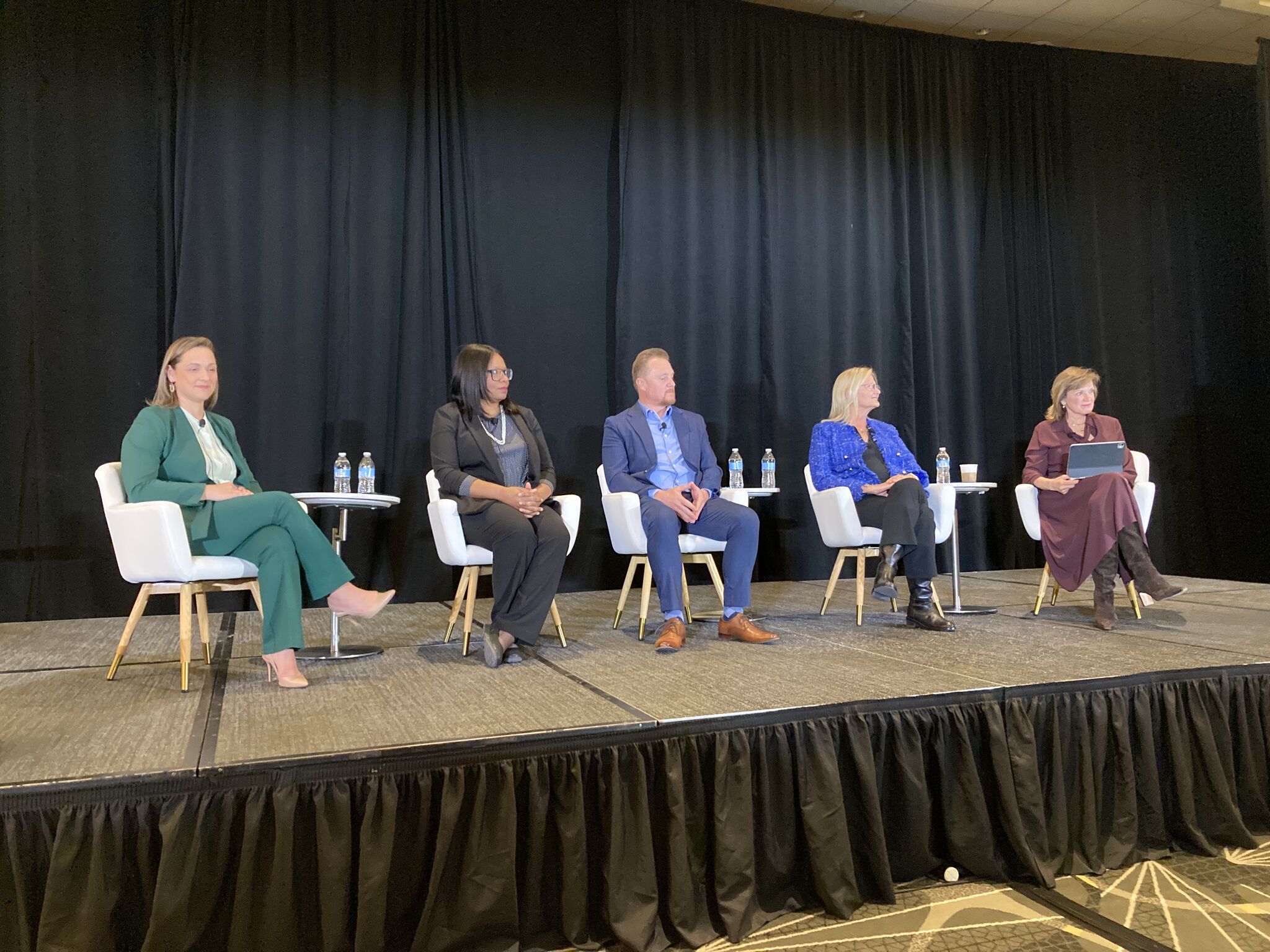
What Should Employers do to Help Workers Beat Challenges? WCRI Panel Weighs In
06 Mar, 2026 Frank Ferreri
Conference Insights
When it comes to challenges workers face as they attempt to make their way back to work after an injury, there are many points along the way where an employer’s actions can make or break a successful return to work outcome.
At WCRI’s Annual Conference, Lisa Daughtry of Disney, Sharon DelGuercio of Publix, Nicole Patterson of Aramark, Justin Romine of Marriott, and Joan Vincenz of United Airlines, broke down what employers can do to make a workers’ journey from injury to return to work as best as possible, starting with getting a worker to see a provider as soon as possible after an injury.
Reducing Friction
“We leverage nurse triage and telehealth,” Patterson said. “Where we do have problems is in urban centers because many urgent care settings don’t handle work injuries specifically.”
Patterson said that, strategically, it makes sense for Aramark to keep things smooth for injured workers.
“I don’t know if someone has health insurance or not,” Patterson said. “That’s nothing we handle, but we look at providers and consistency because we want to reduce friction.”
So, sometimes, that means allowing injured workers to use their primary care doctors.
“It can be a good thing,” Patterson said. “So, we engage.”
Telemedicine
Romine said that because Marriott locations, such as those in Hawaii and the ski resorts of Colorado, aren’t always close to care facilities, telehealth has proved useful.
“We've really leaned into telehealth to cut costs and get workers what they need,” Romine said. “So, instead of flying between islands, teletherapy is an axis of care that can work.”
How does Romine know it can work? He’s seen it with his own father, who lives in rural New Mexico.
“He’s able to get access to care and it workers.”
Networks, Relationships
For Publix, DelGuercio said, connecting with the right people is the biggest step toward access to care for injured workers.
“We use occupational health networks, and we’re very intentional about establishing relationships with providers,” DelGuercio said. “We do experience access to care issues with specialists and delayed on whether providers want to take a patient and accept the cost.”
So, how does Publix handle these challenges?
“We have a multifaceted approach, and I like to use a term that pops up in AI, the ‘human in the loop,” DelGuercio said. “That means establishing relationships with providers and making sure the providers’ values align with ours on getting injured workers back on the job.”
When there are delays to access to care for workers, Publix uses in-house nurses to help, DelGuercio said.
Aging Workforce
Vincenz noted that the reality of an aging workforce presents more challenges on healthcare, something that Romine echoed.
“Housekeepers drive our claims frequency at Marriott, due to the nature of the workload and the fact that many are reaching the twilight of their careers,” Romine said.
What helps?
“On the preventative side, we want to close gaps between treatment and communication,” Romine said. “Sometimes that involves just allowing workers to rest when they need it and to feel confident telling us they need it.”
Patterson said that employers need to accept the reality of an aging workforce as an important first step.
“To have a workforce, you’re going to have older workers,” Patterson said. “We know people have comorbidities, but we find that older workers want to be back in the game.”
‘Ungodly Humid’
WCRI research has noted the link between extreme temperatures and frequency in workers’ compensation, and Publix, with some 1,400 stores across the south – and many in Florida – knows how hot it can get.
“It gets hot, and not just hot, it gets ungodly humid,” DelGuercio said of Publix locations. “Think of the people getting shopping carts; we don’t want them in the heat for extended periods.
Vincez reported that United uses wearable technology to remind “below the wing” workers, like baggage handlers, to stay hydrated.
Culture
Regardless of what the injury is and how care goes for an injured worker, nothing goes well if a worker has apprehensions about what the employer really wants from the worker.
“We want a culture of care,” DelGuercio said. “Do right by your workers, and that will improve your outcomes.”
Building trust is key.
“It’s an entire system, and everyone needs to be setting expectations with injured workers.”
Romine said that communicating with the injured worker is chiefly important.
“Communication used to happen most by phone, but now workers like to get texts, but the real question is are you meeting workers where they are so they don’t feel like they’re just being ‘drug through’ a process,” Romine said. “The number 1 reason for workers hiring an attorney is because of poor communication from their immediate supervisor.”


AI california case file caselaw case management case management focus claims compensability compliance compliance corner courts covid do you know the rule employers exclusive remedy florida fraud glossary check Healthcare hr homeroom insurance insurers iowa kentucky leadership NCCI new jersey new york ohio pennsylvania Safety safety at work state info tech technology the case manager violence WDYT what do you think women's history women's history month workers' comp 101 workers' recovery Workplace Safety Workplace Violence
Read Also
- Sep 09, 2026
- Chris Parker
- Sep 09, 2026
- Claire Muselman
About The Author
About The Author
-
Frank Ferreri
Frank Ferreri, M.A., J.D. covers workers' compensation legal issues. He has published books, articles, and other material on multiple areas of employment, insurance, and disability law. Frank received his master's degree from the University of South Florida and juris doctor from the University of Florida Levin College of Law. Frank encourages everyone to consider helping out the Kind Souls Foundation and Kids' Chance of America.
More by This Author
Read More
- Sep 09, 2026
- Chris Parker
- Sep 09, 2026
- Claire Muselman
- Sep 09, 2026
- Frank Ferreri
- Sep 09, 2026
- Chris Parker
- Sep 09, 2026
- Anne Llewellyn
- Sep 09, 2026
- Claire Muselman