


Share This Article:
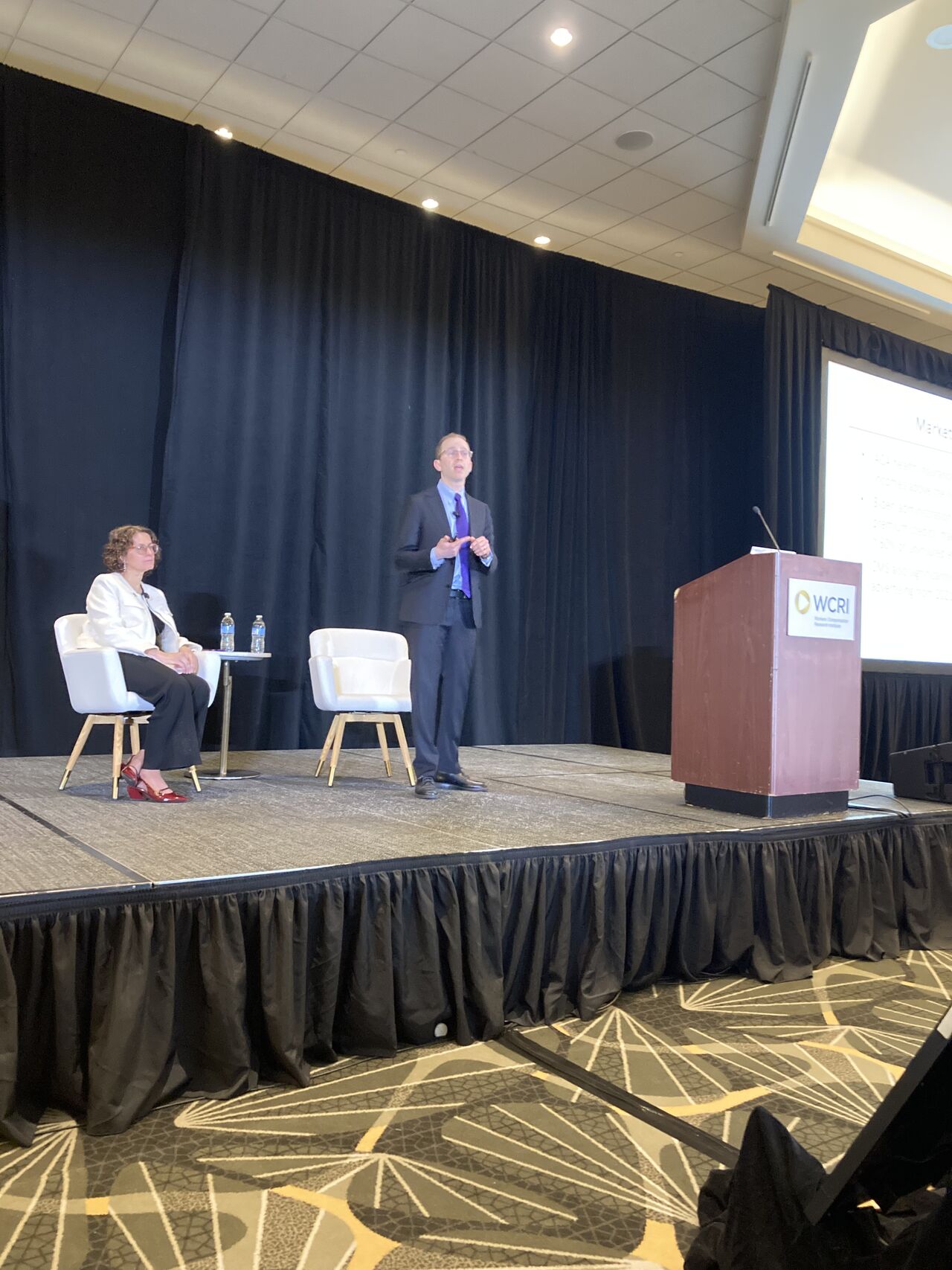
Do Work Requirements for Medicaid Work? WCRI Keynote Questions Conventional Wisdom
06 Mar, 2026 Frank Ferreri
Conference Insights
Legislative efforts to get more people working could have an impact on workers’ compensation; after all, getting people on the job means getting those same people under the umbrella of workers’ compensation coverage and rules.
So, then one might assume that the One Big Beautiful Bill Act’s directive for Medicaid recipients to work would have an impact on workers’ compensation; the only problem is, according to Harvard School of Public Health’s Benjamin Sommers, the requirement probably won’t get people on the job, it will just lead to loss of healthcare for people who actually are working.
While there’s not much evidence on what the OBBBA’s rules will do, a 2018 Arkansas study shines light on what’s possible.
“In the Arkansas study, there was little change in the people who weren’t working,” Sommers said. “Most who can work are already working.”
Sommers also noted that the work requirements tended to result in working people getting dropped from Medicaid coverage. While some of the decline could be attributed to working people having other coverage, other cases were chalked up to workers missing a reporting requirement or running out of time to take care of administrative tasks.
“People who are not informed are most likely to lose coverage,” Sommers said. “If you’re seeing the doctor regularly, you’re likely to get assistance.”
Why is it Important?
Less health insurance coverage leads to more people feeling poorly, Sommers said.
“When people have health insurance, they’re more likely to say they feel better,” he said. “And that’s not just subjective, that’s not just their opinion, but the question actually predicts mortality.”
It’s true that expanding Medicaid coverage is expensive, but the question is whether it’s money well spent.
“You do spend more money to cover more people,” Sommers said. “It’s not a cost-saving tool; it’s an investment.”
Is it all doom and gloom from the OBBBA? Not necessarily.
Sommers noted that the new law’s Rural Hospital Fund looks to improve access to care in rural settings. Whether it will be enough to offset coverage losses that come from changes to Medicaid and dwindling Affordable Care Act enrollment after Biden-era subsidies expired remains to be seen, with much depending on state leadership.
“It’s going to help, but hospitals don’t feel confident they will be able to cover what they lose.”


AI california case file caselaw case management case management focus claims compensability compliance compliance corner courts covid do you know the rule employers exclusive remedy florida fraud glossary check Healthcare hr homeroom insurance insurers iowa kentucky leadership NCCI new jersey new york ohio pennsylvania roadmap Safety safety at work state info tech technology violence WDYT what do you think women's history women's history month workers' comp 101 workers' recovery Workplace Safety Workplace Violence
Read Also
- Apr 01, 2026
- Claire Muselman
- Apr 01, 2026
- Frank Ferreri
About The Author
About The Author
-
Frank Ferreri
Frank Ferreri, M.A., J.D. covers workers' compensation legal issues. He has published books, articles, and other material on multiple areas of employment, insurance, and disability law. Frank received his master's degree from the University of South Florida and juris doctor from the University of Florida Levin College of Law. Frank encourages everyone to consider helping out the Kind Souls Foundation and Kids' Chance of America.
More by This Author
Read More
- Apr 01, 2026
- Claire Muselman
- Apr 01, 2026
- Frank Ferreri
- Mar 30, 2026
- Chris Parker
- Mar 30, 2026
- Frank Ferreri
- Mar 30, 2026
- Chriss Swaney
- Mar 30, 2026
- Chris Parker