


Share This Article:
It’s Just a Grilled Cheese: Finding Simplicity in Workers’ Compensation
10 May, 2026 Heather Gardner
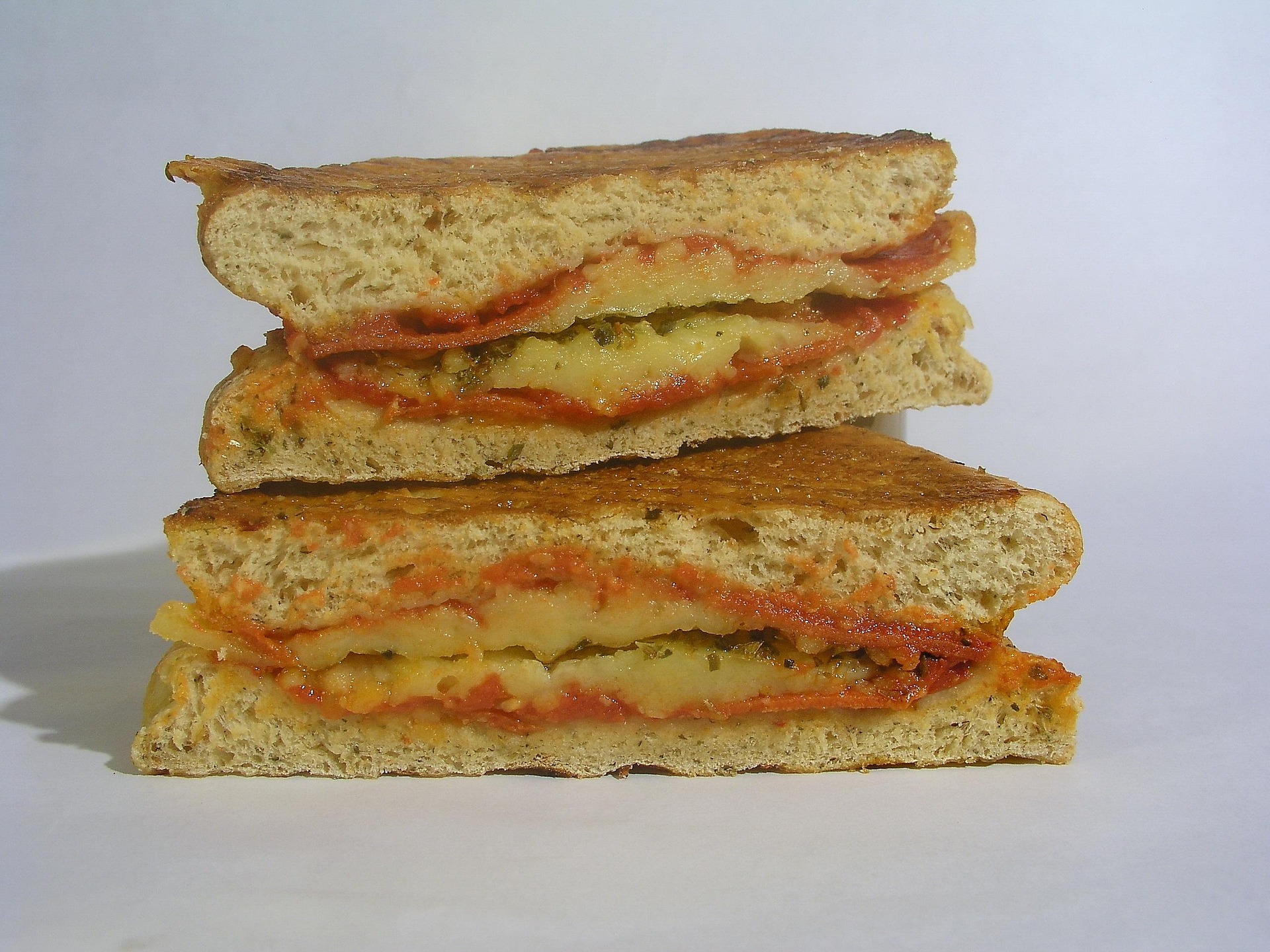
Consider this a chemical love letter to one of the greatest comfort foods ever made: the
grilled cheese sandwich.
Sure, it’s simple on the surface—just bread, butter, and cheese. But anyone who’s ever
scorched one knows the truth: you can’t take it for granted. In my house, we have Sandwich
Night.
It started as a gentle way of saying, “I’m not cooking tonight,” with basic cold cuts slapped
between slices of bread. But over time, it evolved into something more—golden, buttery
grilled cheese, stuffed subs, and crisp paninis. What began as a shortcut became a tradition.
And grilled cheese? It became the star.
Here’s the thing about grilled cheese: while it looks simple, there’s a science to getting it
right. The bread must be crisp but not burned. The cheese has to melt—not separate into a
greasy mess. And you absolutely can’t walk away from it. You have to respect the process.
And just like grilled cheese, workers’ compensation is often misunderstood as “simple.” At
face value, it seems straightforward: if someone gets hurt at work, the insurance pays.
That’s it, right? Not quite.
Behind that simplicity is a web of statutes, regulations, timelines, and technicalities. If you
treat it like something you can set and forget, you’re likely to end up with a mess on your
hands.
Common Burn Points in Workers' Comp
So where does it go wrong? When we assume it's too easy to mess up. When employers or claims professionals treat it like “just insurance,” they miss critical opportunities—early intervention, meaningful return-to-work strategies, or clear communication with injured workers.
And just like a burned sandwich, the results are costly: prolonged recovery, increased claim
expenses, and disengaged employees.
Where Simplicity Meets Compassion
The real difference-maker? Compassion.
When leaders approach workers’ comp with empathy, everything changes. It’s no longer just
a claims process—it becomes a path to healing. Compassionate leadership prioritizes the
human side of recovery. It means checking in early, listening to concerns, and guiding injured
employees through the process with care and transparency. This approach doesn’t just
improve claim outcomes—it transforms workplace culture.
Employees feel heard, supported, and valued. And that feeling of safety? It fuels loyalty,
productivity, and better morale.
Respect the Sandwich
A grilled cheese doesn’t need truffle oil or artisan bread to be great. It just needs your attention. The same is true for workers’ comp. When we slow down, respect the process, and give it the care it deserves, we get better outcomes—for employees, for employers, and for the entire organization. So next time someone shrugs and says, “It’s just workers’ comp,” or “It’s just a grilled cheese,” remind them: simple doesn’t mean easy.
And it certainly doesn’t mean unimportant.


AI best practices california case file caselaw case management case management focus claims compensability compliance compliance corner courts do you know the rule employers exclusive remedy florida fraud glossary check Healthcare hr homeroom insurance insurers iowa kentucky leadership NCCI new jersey new york ohio pennsylvania Safety safety at work state info tech technology the case manager violence WDYT what do you think women's history women's history month workers' comp 101 workers' recovery Workplace Safety Workplace Violence
Read Also
- Oct 10, 2026
- WorkersCompensation.com
- Oct 10, 2026
- WorkersCompensation.com
- Oct 10, 2026
- WorkersCompensation.com
About The Author
About The Author
- Heather Gardner
More by This Author
Read More
- Oct 10, 2026
- WorkersCompensation.com
- Oct 10, 2026
- WorkersCompensation.com
- Oct 10, 2026
- WorkersCompensation.com
- Oct 08, 2026
- James Benham
- Oct 06, 2026
- NCCI
- Oct 05, 2026
- Thea Nanton-Persaud